
Living in the Valley means enjoying sunshine year round, but even in Phoenix, desert nights can bring a serious chill, especially in December. While daytime temperatures can still be mild, the sharp drop after sunset often catches homeowners off guard. If you’ve noticed that your heating struggles after sunset, you’re not alone.
Many Phoenix area homeowners report their HVAC systems working fine during the day, only to underperform once the sun goes down. But why does this happen? And what can you do to stay warm through the night?
Why Your Heating Struggles After Sunset
The desert climate is known for its wide temperature swings. It’s not uncommon for a sunny 70 degree day to plummet into the 40s, or lower, once the sun sets. When this rapid shift happens, your HVAC system must quickly adjust to meet the rising demand. If heating struggles after sunset become a regular issue, there may be several factors at play:
- Aging or Undersized System: Older furnaces or heat pumps may simply not have the capacity to keep up with the sudden evening drop in temperature. Systems that are too small for your home can also cycle more frequently without adequately heating your space.
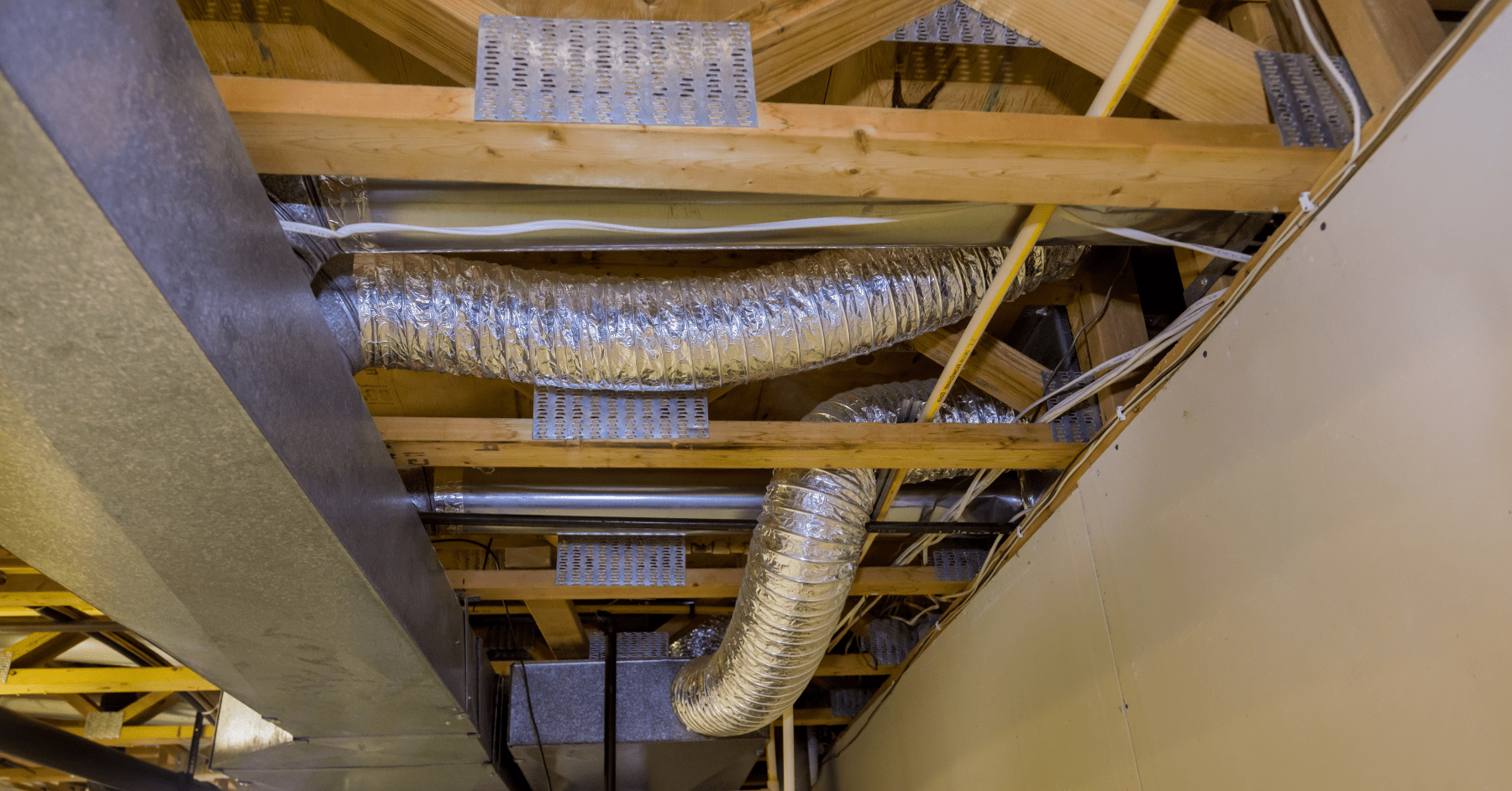
- Ductwork Problems: Leaky or poorly insulated ductwork is a common issue in Phoenix homes. Even if your system is functioning well, warm air may be escaping before it ever reaches your living space, especially at night when the temperature difference is greater.
- Insulation and Window Efficiency: Arizona homes, especially older builds, often have minimal insulation since extreme cold isn’t a daily concern. But in winter, that lack of insulation, or outdated windows, can lead to rapid heat loss once the sun goes down.
- Thermostat Placement: If your thermostat is located in a warmer part of the house, it may think your home is more comfortable than it really is. This can prevent the system from kicking on when cooler air settles in overnight.
Smart Tips for Staying Comfortable Overnight
To avoid uncomfortable nights, it’s important to work with your home’s unique environment. Here are a few strategies:
- Set an Ideal Nighttime Temperature: In the Phoenix area, a nighttime thermostat setting of 65°F to 68°F usually provides comfort without overworking your system. You can go lower if you prefer cozy blankets, or slightly higher if your home loses heat quickly.
- Use a Programmable Thermostat: Program your system to start heating a bit before sunset to stay ahead of the temperature drop. Smart thermostats can adjust automatically based on your routine and preferences.
- Seal Drafts and Insulate: Even basic insulation upgrades, like sealing around windows and doors, can make a noticeable difference in maintaining warmth overnight.
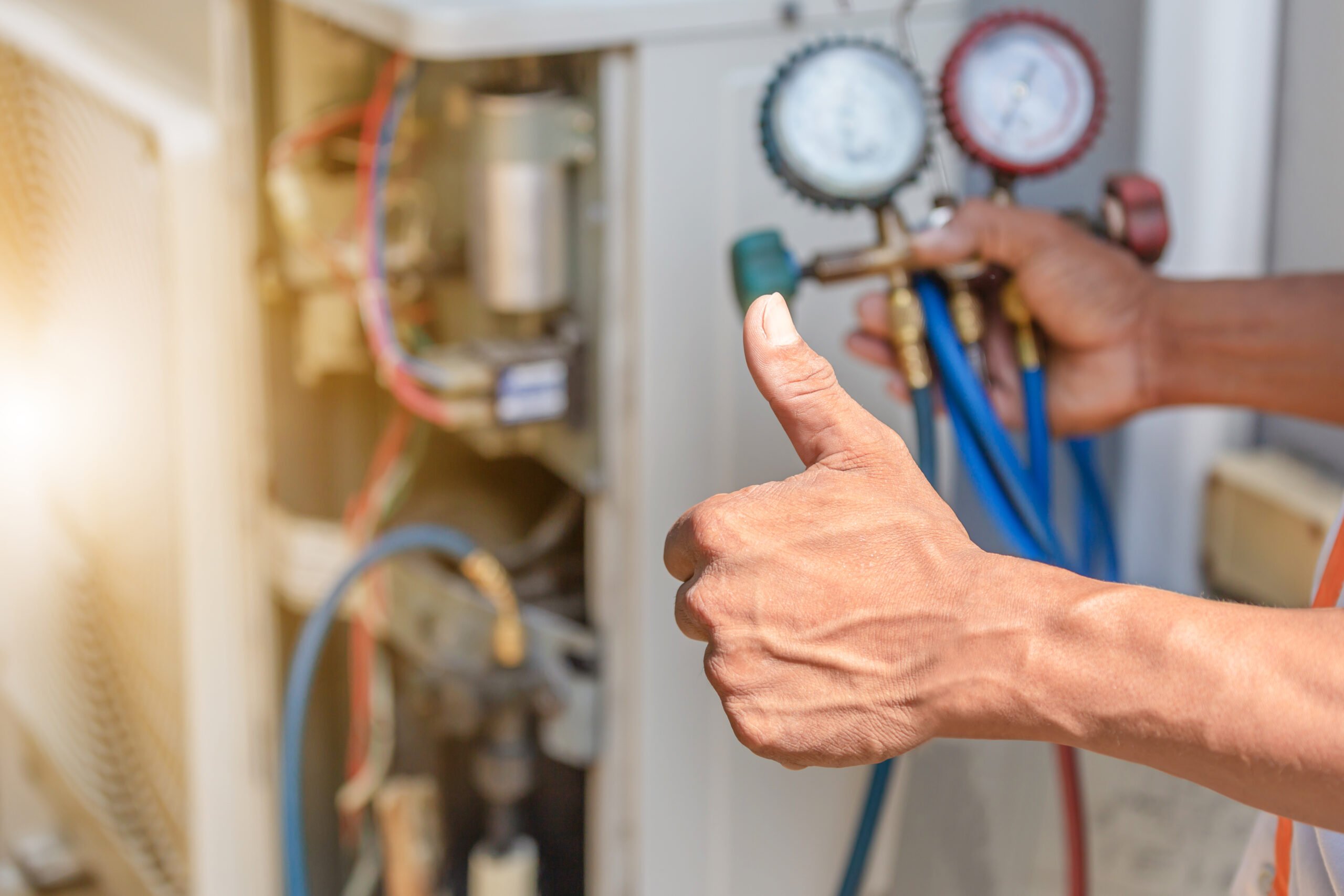
- Schedule a Maintenance Check: If your heating struggles after sunset regularly, it’s worth having your system inspected. A professional heating tune-up can reveal inefficiencies, worn parts, or airflow issues that could be limiting your system’s performance.
Stay Warm Through Every Chilly Desert Night
Don’t let heating struggles after sunset turn into sleepless nights. Even in Phoenix, a reliable heating system is essential for year round comfort, especially during those cold early morning hours.
Whether you need a seasonal tune-up, duct installation advice, or help with AC or heating repairs, Arizona Comfort Specialists has you covered. We proudly serve homeowners throughout Phoenix, Scottsdale, and the Valley with trusted, efficient HVAC solutions.
Contact us today to keep your home cozy, no matter how cold the desert night gets.